What to Eat in Durban: Dishes, Street Food & Local Flavours
Book an experience
Top-rated experiences in the area
The highest-rated tours and activities in the area. Book today, cancel free if plans change.
Durban has the best street food in South Africa, and it is not particularly close. The city’s large Indian population - descendants of labourers brought to KwaZulu-Natal during British colonial rule - created a food culture that fuses South Indian spice traditions with local ingredients in ways that exist nowhere else on the continent. The result is bunny chow, durban curry, and a roti scene that would not embarrass Mumbai.
For context on getting around the city and which neighbourhoods to base yourself in, see the Durban hub guide. For restaurant recommendations, see our best restaurants in Durban guide. For beaches to explore between meals, see Durban beaches guide. Compare with Cape Town’s food scene for a different culinary culture.
Bunny Chow
If you eat one thing in Durban, make it a bunny chow. The dish is deceptively simple: a loaf of white bread hollowed out, filled with curry, with the removed bread chunk balanced on top as a lid. It was invented in the 1940s when Indian restaurant owners in the Grey Street area served curry in bread to workers who did not have containers. The name likely derives from “bania” (a merchant caste) rather than the animal.
Sizes come in quarter, half, or full loaf. A quarter is a solid meal for most people. Fillings: lamb is the classic, bean (for vegetarians) is equally traditional, and chicken is popular. Prices range from approximately ZAR 45 for a small quarter to ZAR 80–120 for a full loaf (as of 2026).
Where to eat it:
- Britannia Hotel (Grey Street area) - the most historic spot, cash only, queue moves fast
- Mr Biggs (Umbilo Road) - local favourite, no frills, cheap
- Vista Restaurant (Victoria Street) - good for a sit-down version
- Roma Revolving Restaurant (CBD, 32nd floor) - upmarket take with city views, ZAR 150+ per person
Durban Curry
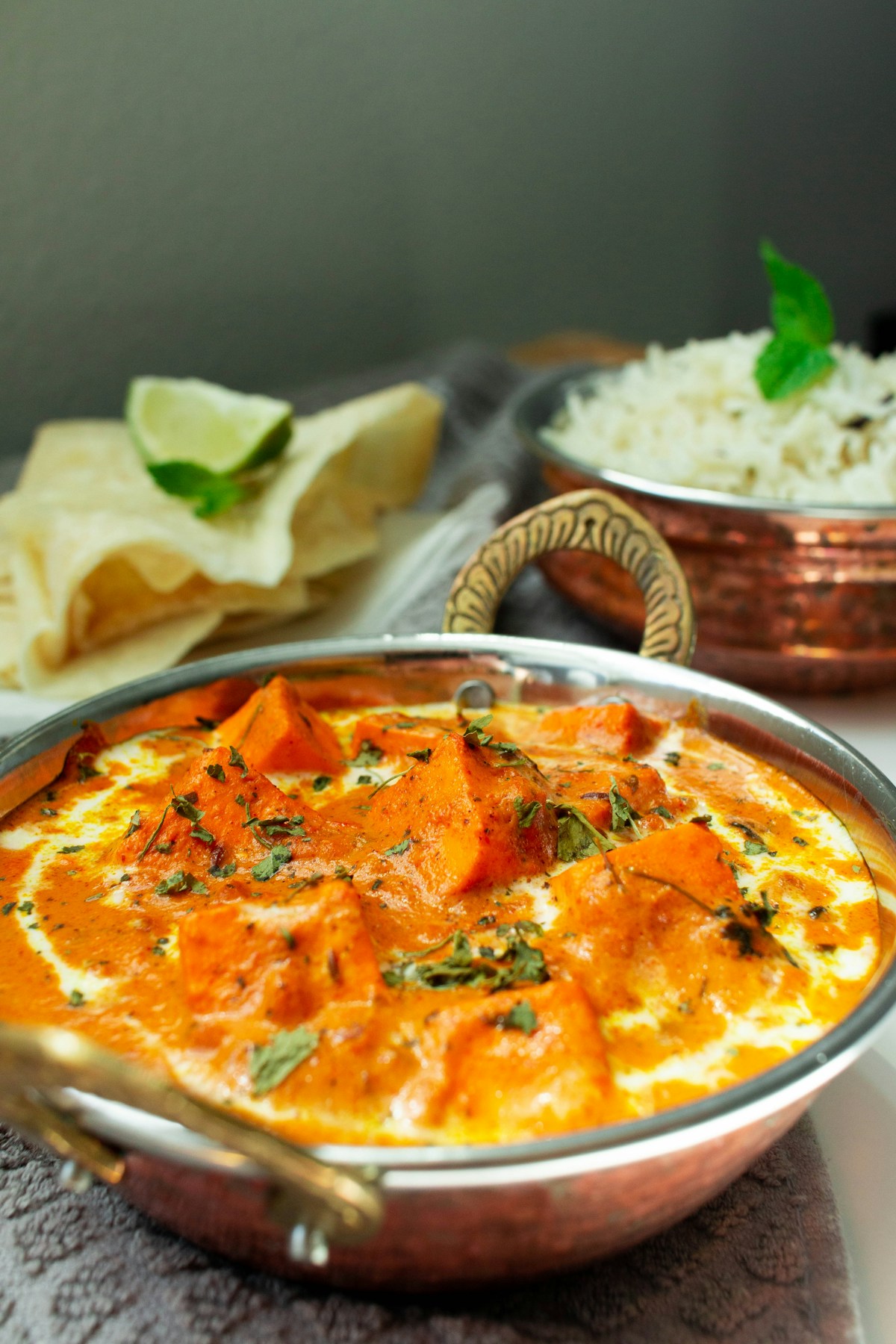
Durban curry is its own thing. It bears little resemblance to the mild, coconut-heavy Cape Malay curries of Cape Town, and it is spicier and more tomato-based than the curries you find in Johannesburg. A traditional Durban curry uses whole spices (mustard seeds, curry leaves, dried chillies), lots of fresh tomato, and substantial amounts of fresh chilli. The heat builds slowly.
The best places to eat proper Durban curry are the Indian restaurants clustered around Victoria Street Market and along Grey Street in the CBD. Patel’s Vegetarian Restaurant on Cathedral Street serves excellent bean and lentil curries from around ZAR 60–100 per person and has been operating since the 1950s.
Biryani
Durban biryani is a layered rice-and-meat dish that differs from the Hyderabadi style it descends from - Durban versions tend to be saucier, with more gravy layered between the rice and the meat (chicken or lamb). A full portion at a mid-range restaurant costs approximately ZAR 100–150 as of 2026. Victory Lounge in Overport is a long-standing institution for biryani.
Roti and Dhal
Soft, layered roti served alongside a bowl of dhal (split lentil soup) is a daily staple in Durban’s Indian households and available cheaply across the city. A roti and dhal lunch at a local café costs around ZAR 35–50 as of 2026. Masala steak rolled in a roti - essentially a Durban-style wrap - is available from market vendors and hole-in-the-wall takeaways from around ZAR 50–70.
Victoria Street Market
The Victoria Street Market (also called the Indian Market) in the CBD is the anchor of Durban’s street food scene. The ground floor has stalls selling spices, fresh produce, chutneys, and street snacks including samoosas (ZAR 5–8 each), kotas (filled rolls, from ZAR 20), and freshly made roti. The upper floor sells crafts and souvenirs. Entry is free; best visited in the morning when it is busiest and freshest.
Indian Sweets and Snacks
Durban’s Indian sweet shops (mithai shops) sell traditional sweets made from milk solids, gram flour, and ghee - gulab jamun (syrup-soaked milk balls), barfi (fudge-like sweets), and ladoo (round fried sweets). Most sweets cost ZAR 3–8 each from dedicated sweet shops on Grey Street. These make excellent gifts.
Samoosas are ubiquitous - available from supermarkets, markets, and roadside vendors throughout the city for ZAR 5–10 each. Durban samoosas tend to be filled with spiced potato and peas or mince, and are fried fresh.
Braai Culture
South African braai (barbecue) culture is alive in Durban, though it sits alongside rather than dominating the Indian food scene. Boerewors (coarse beef sausage, ZAR 40–60 per 500g at butchers), lamb chops, and pap (maize porridge) are weekend staples. Shisa nyama spots - informal township braai establishments where you buy raw meat at the counter and it is grilled for you - operate in Clermont and KwaMashu and offer an authentic local experience. Expect to pay ZAR 80–150 for a full meal.
Seafood
Given its Indian Ocean location, fresh seafood is widely available in Durban. The catch of the day at restaurants along the beachfront typically includes kingklip, crayfish (rock lobster, seasonal pricing from ZAR 250+ per portion), and grilled prawns. The harbourfront restaurants near uShaka Marine World serve good prawn curry and calamari at mid-range prices of ZAR 120–200 per main course.
Where to Eat at a Glance
| Budget level | Where to go | What to spend |
|---|---|---|
| Street food | Victoria Street Market, Grey Street vendors | ZAR 20–80 per meal |
| Mid-range local | Patel’s, Vista Restaurant, Victory Lounge | ZAR 80–150 per person |
| Mid-range seafront | uShaka beachfront restaurants | ZAR 150–300 per person |
| Upscale | Roma Revolving, The Oyster Box (Umhlanga) | ZAR 300–600+ per person |
Ready to plan your trip? Tours & Activities in Durban or eSIM for South Africa.
Practical Tips
Durban’s best food is concentrated in the CBD (Grey Street, Victoria Street) and the inner-western suburbs (Overport, Sydenham). These areas are safe during the day but use Uber for evening travel rather than walking between restaurants. Most Indian restaurants are halal - alcohol is not typically served at the street food spots, though beer is available at the seafront restaurants.
Cash is widely accepted and often preferred at market stalls and hole-in-the-wall restaurants. Prices above are approximate as of 2026.
Frequently Asked Questions
- What is bunny chow?
- Bunny chow is a hollowed-out loaf of white bread filled with curry - typically lamb, chicken, or bean. It was invented in Durban by Indian labourers in the 1940s and is now the city's signature dish. Prices start from around ZAR 45–80 as of 2026 depending on the size (quarter, half, or full loaf) and filling.
- Where is the best place to eat bunny chow in Durban?
- Britannia Hotel in the Victoria Street area is widely regarded as the original and best - queue outside from around ZAR 50 for a lamb quarter. Mr Biggs on Umbilo Road is a no-frills local favourite. Roma Revolving Restaurant in the CBD offers a more upmarket version with views over the harbour.
- How spicy is Durban food?
- Durban curry is significantly spicier and more tomato-forward than Cape Malay curry. Indian Durbanites tend to cook with whole spices and more chilli than in other South African cities. If you are sensitive to heat, ask for a 'mild' option - most restaurants will accommodate. Biryani and roti dishes tend to be gentler.
Ready to explore?
Browse hundreds of tours and activities. Book securely with free cancellation on most options.
Browse on GetYourGuide →Best price guaranteed: same price as booking direct. We earn a small commission at no extra cost to you.