Durban Beaches: Golden Mile, Umhlanga & Beyond
Book an experience
Top-rated experiences in the area
The highest-rated tours and activities in the area. Book today, cancel free if plans change.
Durban’s beaches are the warmest on the South African coast. The Indian Ocean holds its heat year-round - water temperatures stay above 22°C even in the depths of winter - which puts Durban in a different league from the cold Atlantic beaches of Cape Town and the Western Cape. The result is a beach city that actually swims, surfs, and socialises in the water rather than simply admiring it from the shore.
For transport around Durban and which neighbourhoods to stay in, see the Durban hub guide. For day trips beyond the city beaches, see things to do in Durban. For wildlife on the KZN coast north of Durban, see our Hluhluwe-iMfolozi safari guide. For where to eat near the Golden Mile, see best restaurants in Durban.
The Golden Mile
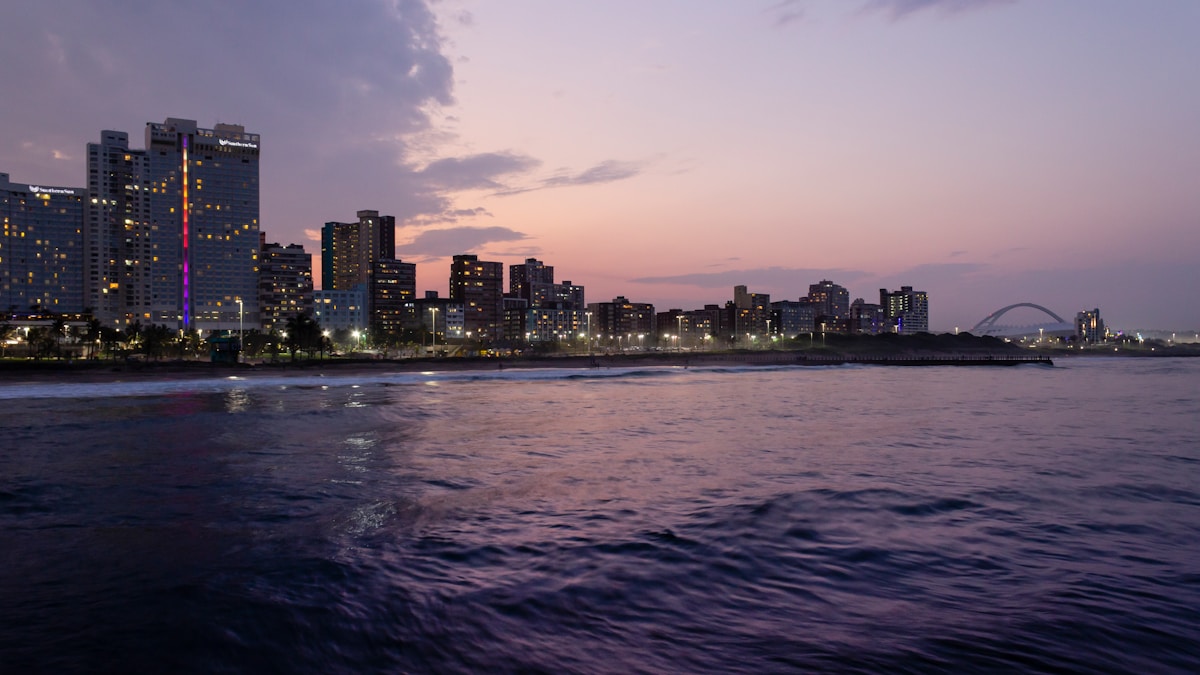
The Golden Mile is a 6km stretch of urban beachfront running from South Beach north to uShaka Beach. It is the backbone of Durban’s tourism and one of the most visited stretches of beach in South Africa.
All beaches on the Golden Mile have shark nets maintained by the KwaZulu-Natal Sharks Board, and lifeguards operate daily during daylight hours. Always swim between the orange and yellow flags that mark the safe swimming zones. Beach entry is free throughout.
The beaches from north to south:
North Beach
Durban’s most popular and most surfed beach. The beach break is consistent and well-suited to beginners and intermediate surfers; surf lessons are available from approximately ZAR 350 per session. Blue Flag certified. The beachfront promenade here has the highest density of food vendors, surf shops, and temporary stalls. Busiest on weekends and school holidays.
Bay of Plenty
Just north of North Beach, Bay of Plenty hosts local and national surf competitions and is considered Durban’s best surf beach. Blue Flag certified. Slightly less crowded than North Beach on ordinary days.
South Beach
More local and family-oriented than the northern end. Calmer water in the sheltered southern end makes it a better option for young children. Paddling pools and tidal pools are accessible at low tide.
uShaka Beach
The southernmost beach on the Golden Mile, adjacent to uShaka Marine World. The beach itself is clean and reasonably quiet; the uShaka park dominates the immediate area. Parking is available at uShaka Marine World (fees apply as of 2026, approximately ZAR 30–50 for day parking).
Umhlanga Rocks
Umhlanga is a suburban beach town 15km north of Durban’s CBD, accessible by Uber in approximately 25 minutes. The beach is slightly narrower than the Golden Mile beaches and partly pebbled in sections, but it is significantly quieter and the surrounding suburb is attractive with good restaurants and the Gateway Theatre of Shopping nearby.
The Lighthouse on the Umhlanga beachfront is an easy landmark for orientation. Water temperature here is typically 1–2°C warmer than the city beaches thanks to the Agulhas current. Lifeguards and shark nets operate as on the Golden Mile. Blue Flag status.
Accommodation in Umhlanga runs significantly more expensive than Durban CBD - expect ZAR 1,500–4,000 per night at mid-range to upscale hotels.
uMdloti
35km north of Durban, uMdloti is a smaller, quieter beach town that suits families and visitors seeking space over infrastructure. The beach is wide, clean, and uncrowded on most weekdays. A tidal pool provides safe swimming for children at all tide states. Limited shops and restaurants nearby; most visitors self-cater.
Access by car (N2 north, exit Umdloti Road) takes approximately 35 minutes. No regular public transport - Uber operates but can take time to arrive.
Amanzimtoti
25km south of Durban on the N2, Amanzimtoti (locally called “Toti”) is a family-focused beach town with a different demographic to the northern beaches. The main beach (Inyoni Rocks) and Pipeline Beach are both protected by shark nets and lifeguards, with tidal pools and ample parking. The town has solid local infrastructure including supermarkets and restaurants.
The southward drive from Durban passes through Bluff, which has several reef breaks suitable for experienced surfers and is the best land-based spot for whale watching during the June–November migration season.
Shark Safety
All Durban metro beaches are protected by shark nets maintained by the KwaZulu-Natal Sharks Board - one of the world’s oldest and most effective shark exclusion programmes, operating since 1952. The nets do not fully enclose the beach but are designed to reduce the probability of encounters significantly.
Key rules:
- Swim only at netted, lifeguarded beaches during staffed hours
- Swim between the flags - these mark the area actively monitored by lifeguards
- Exit the water if a shark warning siren sounds
- Avoid swimming at dawn, dusk, or at night
- Avoid swimming in murky water immediately after heavy rain (fish activity increases)
The risk at designated Durban beaches is low by international standards. Unnetted beaches outside the metro (including some northern beaches beyond Umhlanga) carry higher risk - always check signage.
Water Temperatures by Month
| Month | Avg sea temp | Conditions |
|---|---|---|
| January–March | 26–28°C | Peak summer, humid, busy |
| April–May | 24–26°C | Excellent swimming, less crowded |
| June–August | 21–23°C | Warm enough to swim, whale season starts |
| September–November | 22–25°C | Whale season peaks, less humid |
| December | 25–27°C | School holidays begin, busier |
Ready to plan your trip? Tours & Activities in Durban, Travel Insurance for South Africa, or eSIM for South Africa.
Practical Notes
Parking: All Golden Mile beaches have paid parking lots (approximately ZAR 20–40 per day as of 2026). Arrive early on weekends - lots fill by mid-morning in summer.
Beach vendors: Expect roving vendors selling cold drinks, sunscreen, and crafts along the Golden Mile. Prices are negotiable; buy cold drinks only from reputable cooler boxes, not unsealed bottles.
Facilities: Public toilets, outdoor showers, and change rooms are available at North Beach and uShaka Beach. Bring your own sunscreen - SPF 50+ is advisable given the UV intensity even in winter.
Accessibility: North Beach has accessible ramps and beach wheelchairs available through the eThekwini Municipality parks department (contact in advance to confirm availability).
Frequently Asked Questions
- Are Durban beaches safe for swimming?
- Yes - Durban's main city beaches are protected by shark nets and have qualified lifeguards on duty during daylight hours. Blue Flag status (North Beach, Bay of Plenty) confirms water quality meets international standards. Always swim between the flags and heed lifeguard instructions. Rip currents can be strong; avoid swimming in rough conditions.
- What is the water temperature in Durban?
- The Indian Ocean at Durban is warm year-round. Water temperatures range from approximately 22°C in August (the coolest month) to 27–28°C in February. This makes Durban one of the few South African cities where sea swimming is comfortable in winter.
- When is the best time to visit Durban beaches?
- For beach swimming, May–September offers the best conditions: warm but not sweltering air temperatures (22–26°C), reduced humidity, calmer seas, and whale watching as a bonus (June–November). December–February brings peak heat and humidity but also the largest crowds. Avoid swimming in the days immediately following heavy rain.
Ready to explore?
Browse hundreds of tours and activities. Book securely with free cancellation on most options.
Browse on GetYourGuide →Best price guaranteed: same price as booking direct. We earn a small commission at no extra cost to you.